Join us in October to hear from legislative candidates about issues facing Minnesotans.
Toll Free: (800) 214-2694 | Pay by Phone: (844) 965-1335
Join us in October to hear from legislative candidates about issues facing Minnesotans.
Starting Oct 12, members may receive an email invitation to participate in a short survey. To learn more, click here.
Toll Free: (800) 214-2694 | Pay by Phone: (844) 965-1335
Pay Now | Power Outages | Contact Us | Search

For 90 years, People's Energy Cooperative has provided electric service to the rural communities and areas around Rochester. Here we share stories from our rich history of service to our members in Southeast Minnesota.

The Great Depression Begins
The Dust Bowl Begins
Franklin D. Roosevelt Becomes President of the United States
Rural Electrification Administration is Created
World War II Begins
Harry S. Truman Becomes President of the United States
100
By 1936, nearly 100 rural electric cooperatives in 26 states had loans with the REA.
300
By the end of 1938, 300 farms on 148 miles of line were energized.
137
In 1940, a member's average kWh usage was 81 kWh. By 1945, it had jumped to 137.
The Articles of Incorporation were signed to form People’s Cooperative Association of Olmsted County. As operations began in 1936, signing up members was a challenge. Many were skeptical of the project or concerned with making the investment. They reasoned that if the power companies felt it would not be profitable to send power lines into rural areas, a cooperative composed mostly of farmers was doomed to fail. Often, it took multiple visits before a member would be willing to pay the $2 membership fee.
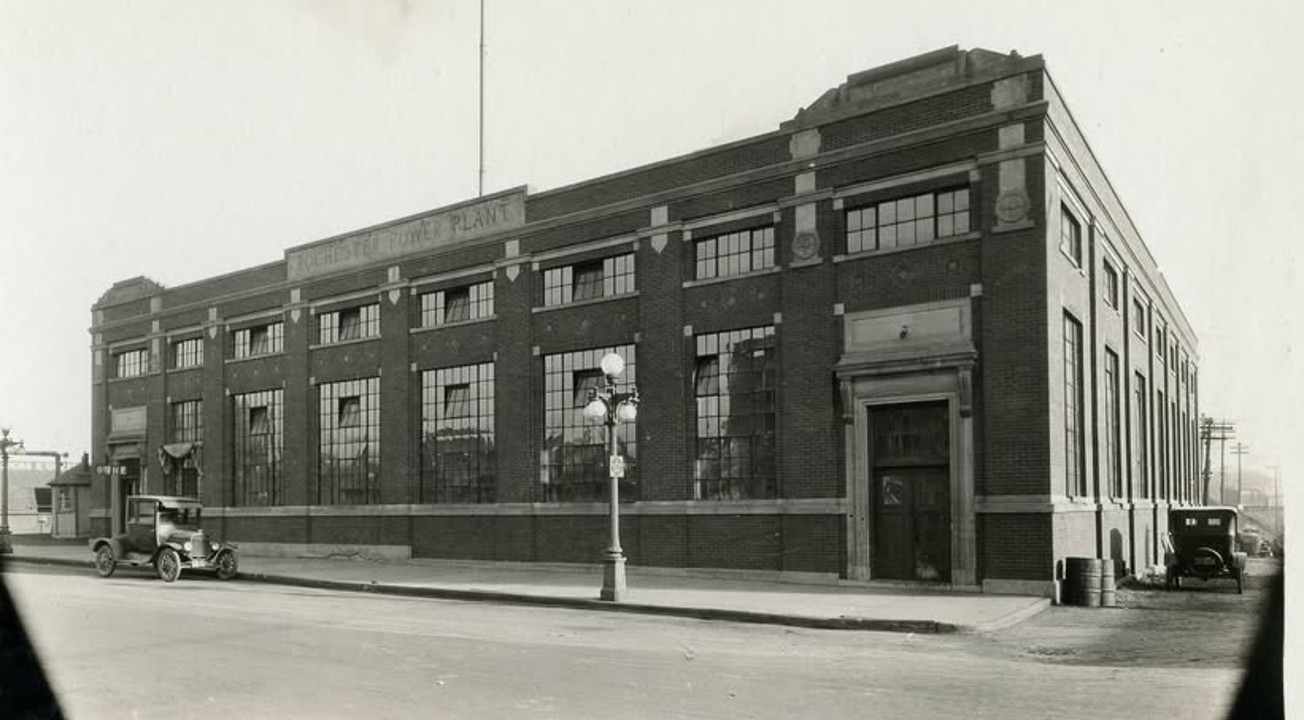
The City of Rochester served as the Cooperative’s first power provider. An agreement was negotiated to buy wholesale power from Rochester’s North Broadway Power Plant which produced enough power to electrify 60,000 homes. This arrangement lasted nearly 20 years.
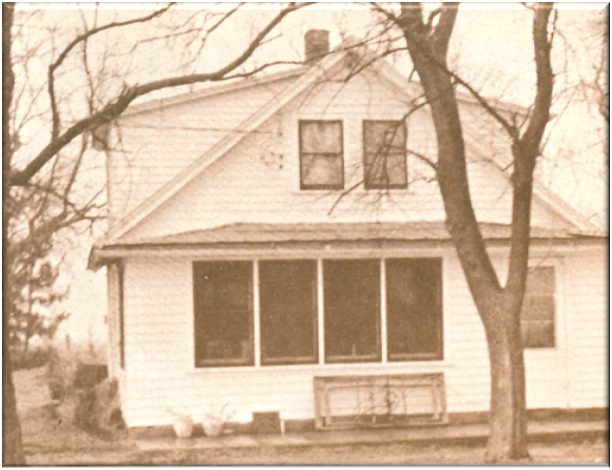
John Brakke of Marion township was the first member to receive electricity from People's Energy Cooperative.
During WWII, construction of new power lines were halted as construction materials were needed for the war effort. The War Production Board, which was responsible for the scale of priorities, relaxed its restrictions around January 1943. Farmers who were close to existing power lines could obtain extensions provided they could show that electricity would mean an increase in food production or a decrease in labor.
The Cooperative purchased 66 miles of primary and secondary power lines connected to a total of 298 consumers from the Olmsted County Power Company.
Korean War begins
Dwight D. Eisenhower becomes President of the United States
Mayo Building opens in downtown Rochester
IBM begins operations in Rochester, MN
37
Employees employed by People's in 1949
3 k +
In 1948, PEC had 3,505 members on 1,622 miles of line.
416
In 1950, a members average energy usage was 273 kWh. By 1955, it had jumped to 416 kWh.
Dairyland Power Cooperative's Alma Power Plant started generating electricity in 1947 and in 1957 it was considered the largest cooperatively-owned generation plant in the world.
Three new People's substations were installed - in Plainview, Marion, and Rockdell.
The Cooperative built a new office and warehouse space on north Broadway in Rochester.

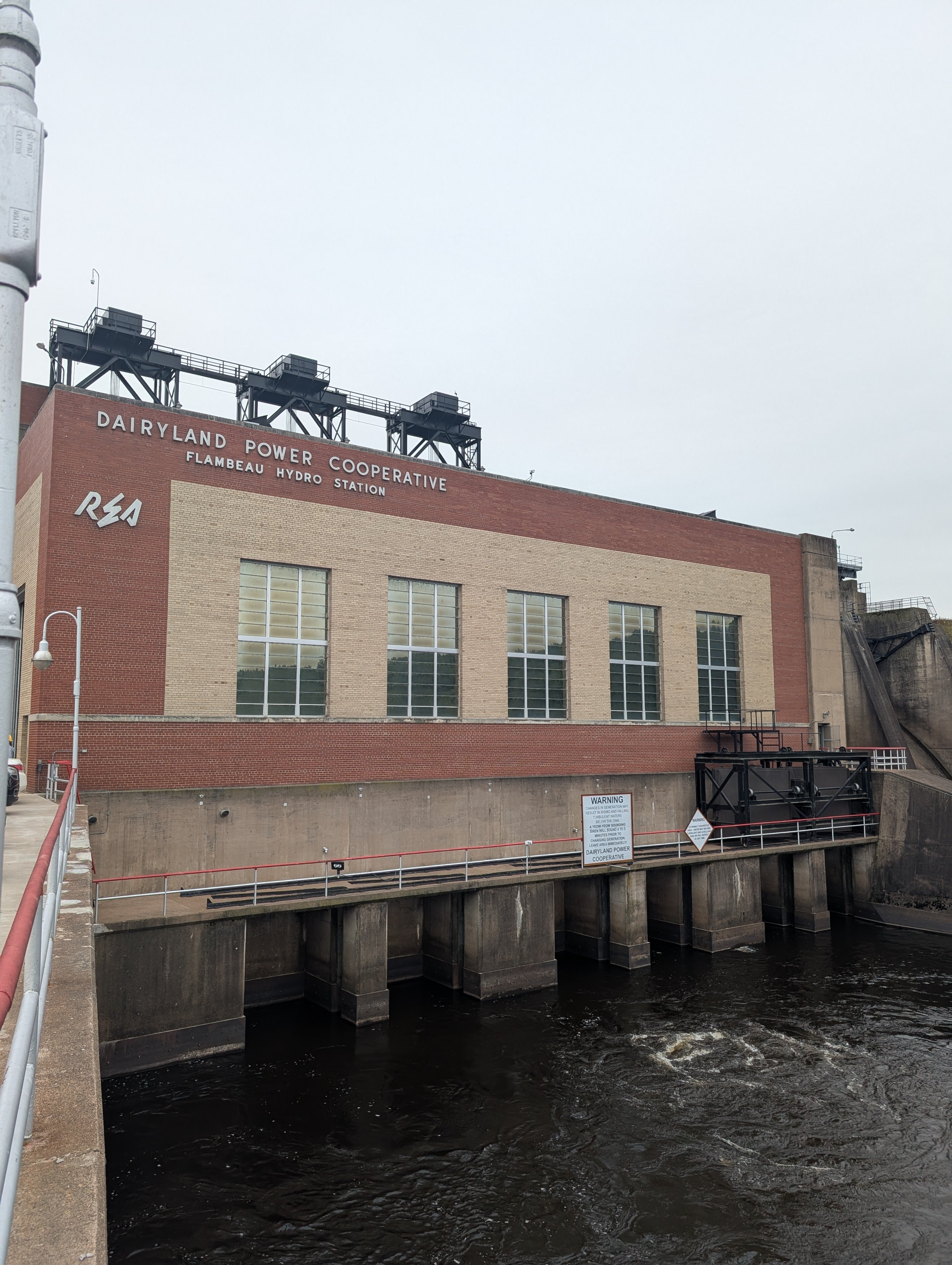
Construction on the Flameau hydro power dam in Ladysmith, WI began, coming online in just under two years.
The Cooperative needed more power to serve its growing member demand and engaged Interstate Power and Light for additional wholesale power.
The Cooperative was notified by the City of Rochester that it would have to reduce the power it provided to the Cooperative and by 1957 it discontinued service.
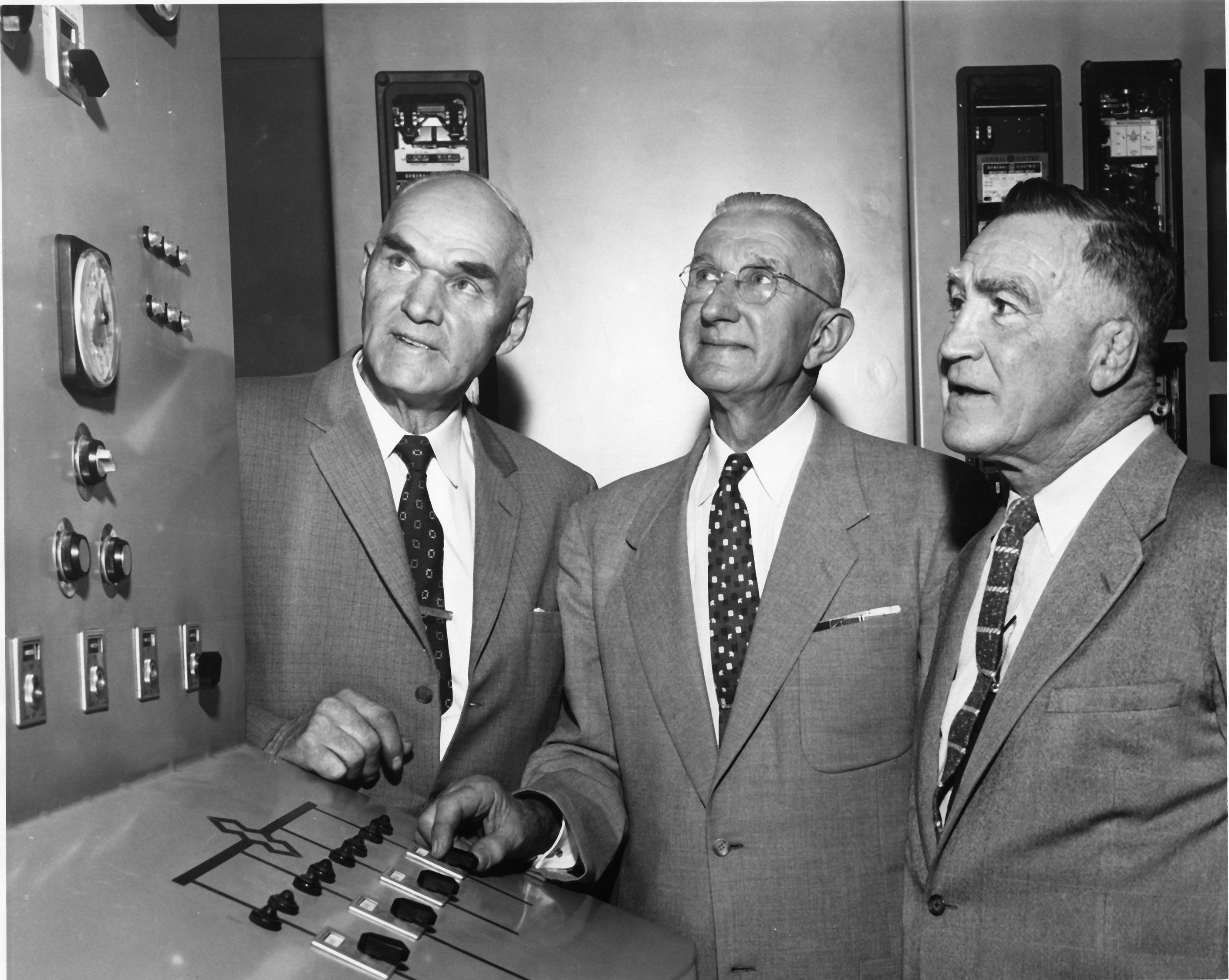
After having become a member of Dairyland Power Cooperative in 1955, a ceremony marking the energization of the Cooperative's lines by DPC was held.
Vietnam War begins
John F. Kennedy becomes President of the United States
Cuban Missile Crisis occurs
Lyndon B. Johnson becomes President of the United States
The Civil Rights Act signed into law
$ 6 mil
Total assets as of December 31, 1960 were $6,014,344
789
In 1960, average kWh usage per member per month was 615 kWh, climbing to 789 kWh by 1965.
244 k
In 1965, 21 cooperative vehicles traveled a total of 244,135 miles; or almost 10 times around the world at the equator.
The Upper Mississippi Valley Power Pool (UMVPP) was created between Dairyland Power Cooperative and other cooperatives along with investor-owned utilities - this was a predecessor to current day MISO.
The Cooperative's headquarters building on North Broadway was expanded in 1961 to add a large meeting room and a drive-through window.
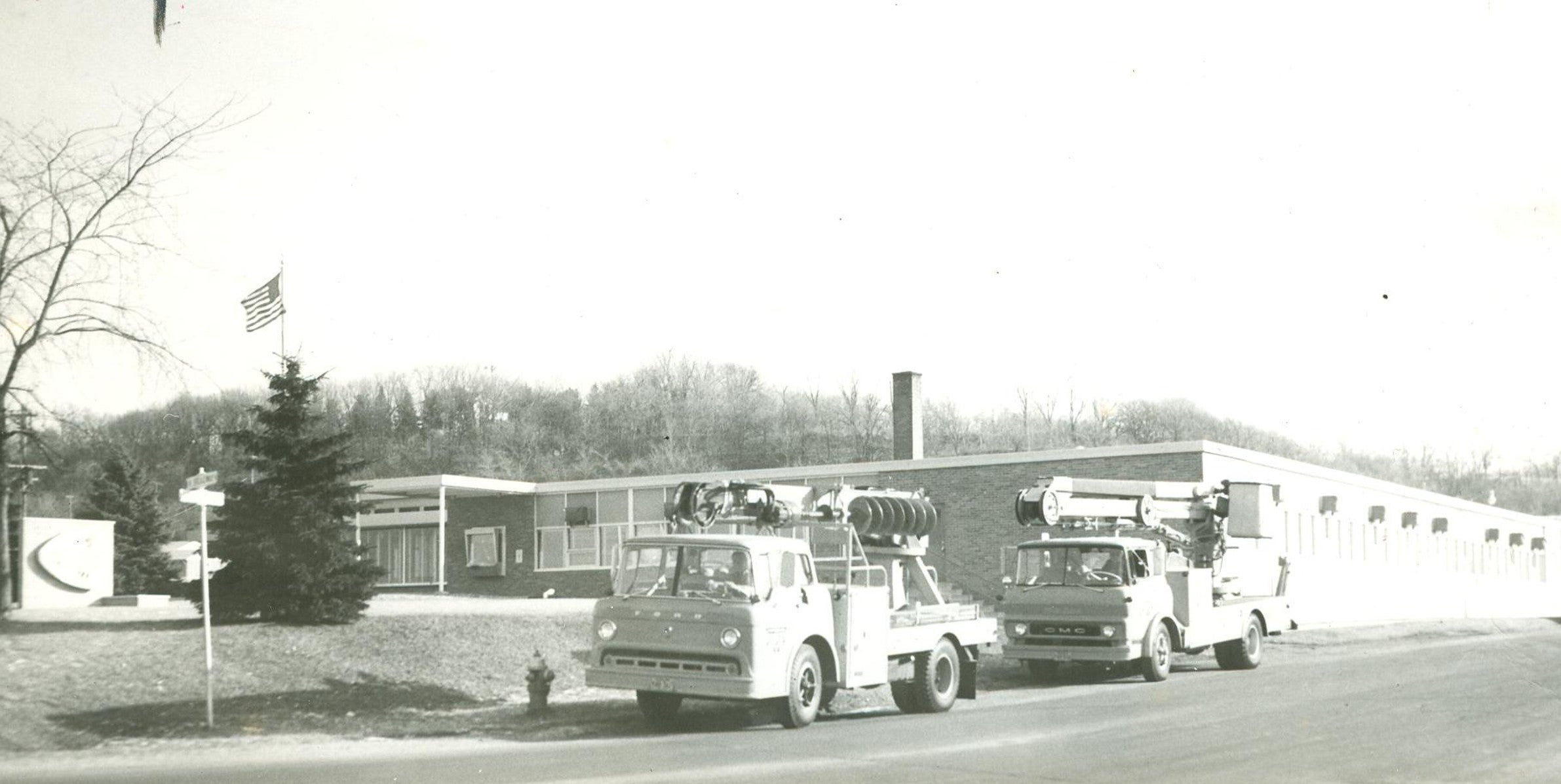
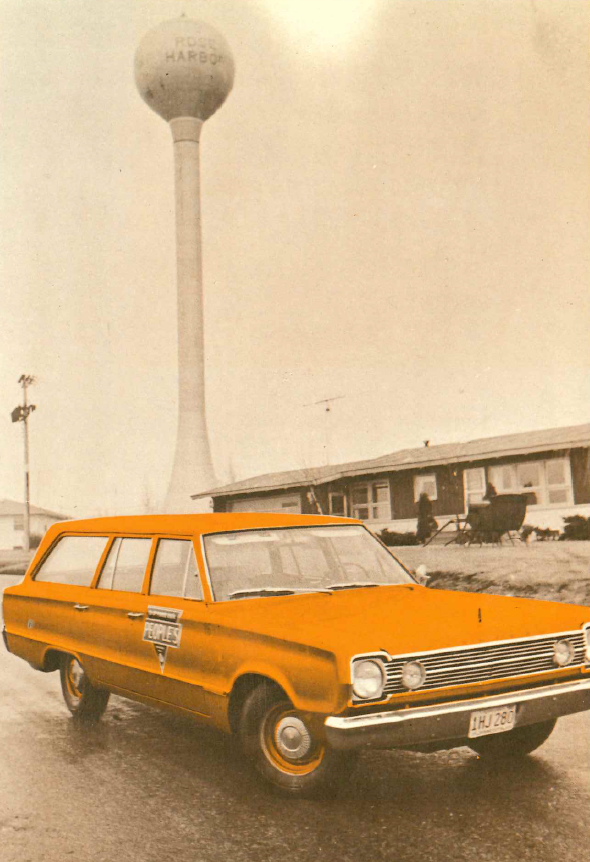
The Cooperative's Board of Directors vote to provide water service in the form of underground lines, wells, and water towers in areas southeast of Rochester known as the Rose Harbor and Marvale subdivisions. This became known as the Cooperative Water System.
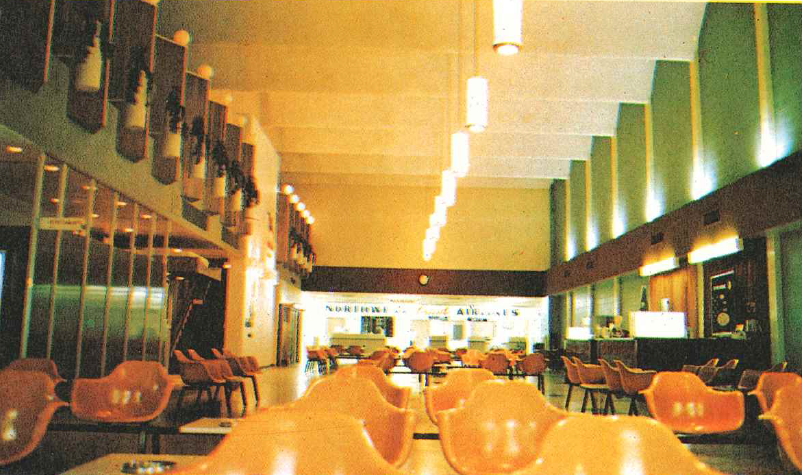
Rochester's airport terminal building received wholesale power from People's Cooperative Power Association.
Mid-America Interpool Network was created as a coordination network among several regional power pools in the Midwest, including UMVPP. It served as an umbrella organization for reliability and planning across interconnected utilities.
Prairie Island Nuclear Power Plant built
Richard Nixon becomes President of the United States
U.S. astronauts (the first humans) land on the moon
Occupational Safety and Health Administration (OSHA) established
First OPEC / oil crisis quadruples the price of oil
Gerald Ford becomes President of the United States
193
In 1966, the Cooperative built new service for 193 new members.
7 k +
There were approximately 7,500 members of the Cooperative in 1970.
1 k
The average kWh usage per meter per month was just over 1,000 kWh in 1970.
With the arrival of IBM in Rochester, there was a significant residential growth to the Northwest of Rochester in the mid-to-late 1960s. This had not yet been annexed by the City of Rochester, so it was the Cooperative's service territory.
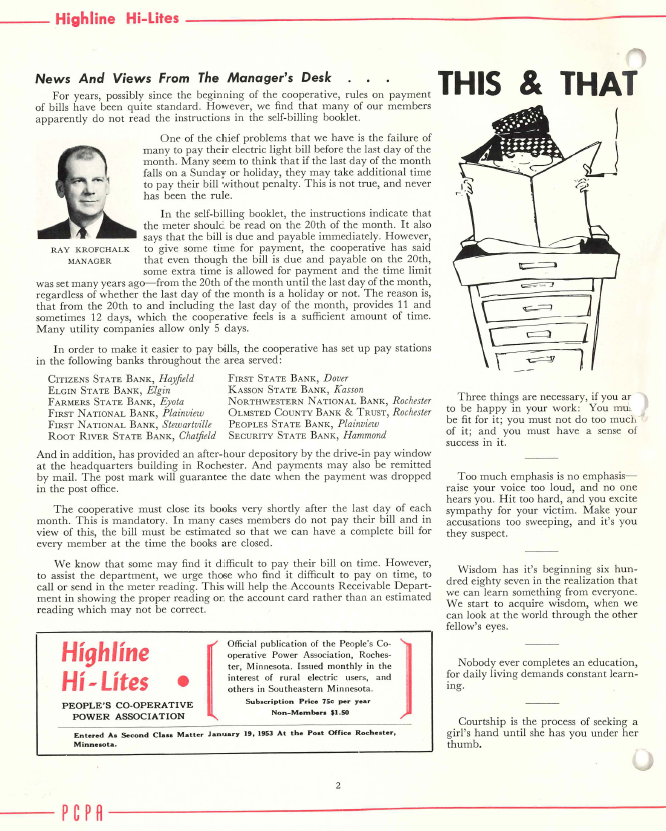
Pay stations were set up at area banks throughout the service territory to facilitate members paying their bills on time.
Rural electric cooperatives across the country were transitioning from "initial electrification" to capacity expansion and reliability upgrades.
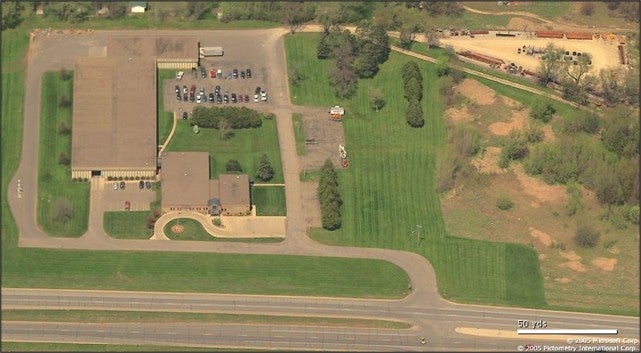
The Cooperative moved its headquarters building to a location on Highway 14 East in November of 1971. The property held special historical significance to the Cooperative as it was the site of the first farm electrified by People's.
The Cooperative experienced significant cost increases in purchased power and supplies due to inflation, the recession, and legislative actions.
Jimmy Carter becomes President of the United States
Federal mandate issued to prevent use of natural gas for electrical generation, forcing use of coal and nuclear power
Second OPEC / oil crisis causes another steep rise in oil prices
Three Mile Island nuclear accident
Ronald Regan becomes President of the United States
Some legislators wanted to dismantle the REA since rural America was now electrified
21
At the end of December 1984, total assets of the Cooperative were reported at $21,347,682.
10 k +
In 1984, 10,641 members received electric service on 2,464 miles of distribution lines.
1 k
By 1985, just under 1,000 operating rural electric systems in the United States had borrowed money from the Rural Electrification Administration of more than $15 billion.
People's General Manager Donald Brandt was named to the Board of Directors of the Rochester Area Chamber of Commerce, demonstrating the Cooperative's growing role in regional economic development leadership.
The Cooperative announced news that Dairyland Power Cooperative would be adopting a load management / load control program. The effort was to reduce peak demands for electricity, providing better utilization of existing power plants.
Cooperative Water System, owned by People's Cooperative Services and serving members southeast of Rochester, had taxed its pumping and storage capacity to its limits. Due to the economic impact required to expand the water service, the City of Rochester purchased the water system and took over operation December 30, 1985.
Chernobyl Nuclear Power Plant disaster
Fall of the Berlin Wall
George H.W. Bush becomes President of the United States
The Soviet Union formally dissolved
Bill Clinton becomes President of the United States
281
281 new services were added to the Cooperative's system in 1986.
34 + mil
In 1995, total assets were listed at $34,817,913
In 1987, the Cooperative hosted the People's Cooperative Power Membership Tour to Europe. Members traveled together to visit the Black Forest, Rhine River Valley, Liechtenstein, Bavaria, and Munich.
The Cooperative and Rochester Public Utilities were in dispute over service territory resulting in involvement with the Rural Electric Administration and Public Utilities Commission.
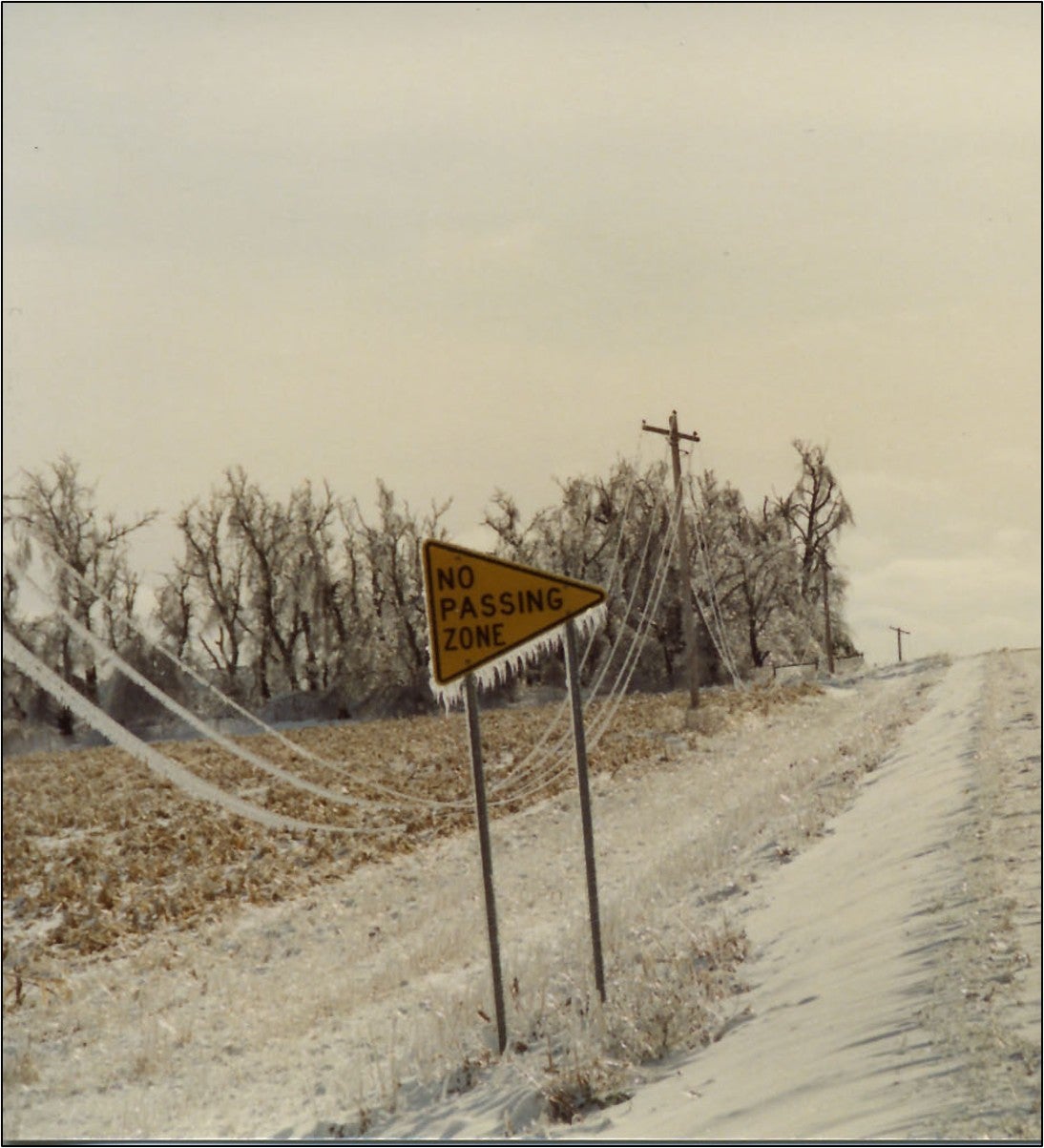
The 1991 Halloween Blizzard devastated large portions of the Cooperative's system, knocking out power to 4,500 members. At least 1,500 members were without power for up to a week.
The REA was absorbed by the Rural Utility Service (RUS).
The drive-up window at the Cooperative's headquarters was closed to allow for an exterior 'facelift'.
On May 19, 1996, the Cooperative experienced a significant thunderstorm with winds in excess of 90 mph. 4,000 members lost power for up to 12 hours after the storm.
Y2K (short from "Year 2000 Problem") stokes technology fears at the turn of the century
George W. Bush becomes President of the United States
September 11 terrorist attacks on the World Trade Center and Pentagon
Massive tsunami strikes Thailand
41
In 1999, the Cooperative's assets were reported at $41,031,576.
389
The Cooperative added 389 new accounts to the Cooperative in 2001.
2005
Midcontinent Independent System Operator (MISO) began marketing operations in 2005 and became today's regional transmission organization for the Midwest and manages one of the world's largest energy markets.
The Cooperative changes its name from People's Cooperative Power Association to People's Cooperative Services and joined the national alliance of Touchstone Energy Cooperatives.
Evergreen, a renewable energy program offered by Dairyland Power Cooperative is first offered to members.

The Cooperative announced plans to build a new substation in Marion, it's 24th on the system.
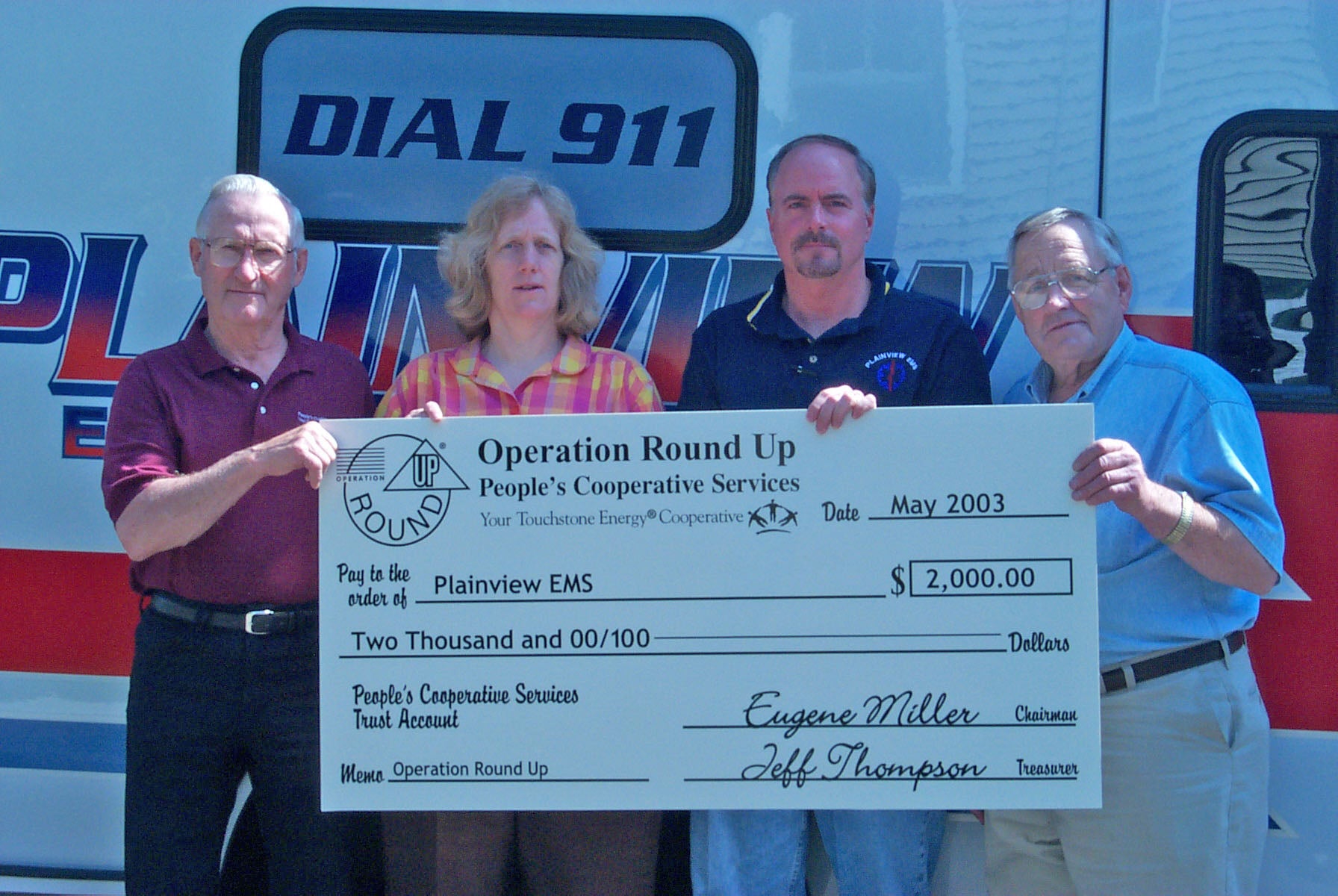
The Plainview EMS was the first recipient of an Operation Round Up grant. The funds were used to help purchase a new Life Pack for their second ambulance.
Severe global financial crisis erupts
Barack Obama becomes President of the United States
Cross-State Air Pollution Rule goes into effect
Paris Climate Agreement signed
88 + mil
Total assets as of December 31, 2010, was $88,517,660.
16 k +
As of December 31, 2010, the Cooperative had 16,571 services on 3,009 miles of line.
Dairyland Power Cooperative integrated its 1,300 MW+ of capacity into the MISO footprint.
From December 2010 through January 2011, the Cooperative lost 1,300 members due to RPU annexing service territory.
The Cooperative bought land and began building the headquarters building in Oronoco which remains the Cooperative's base of operations.
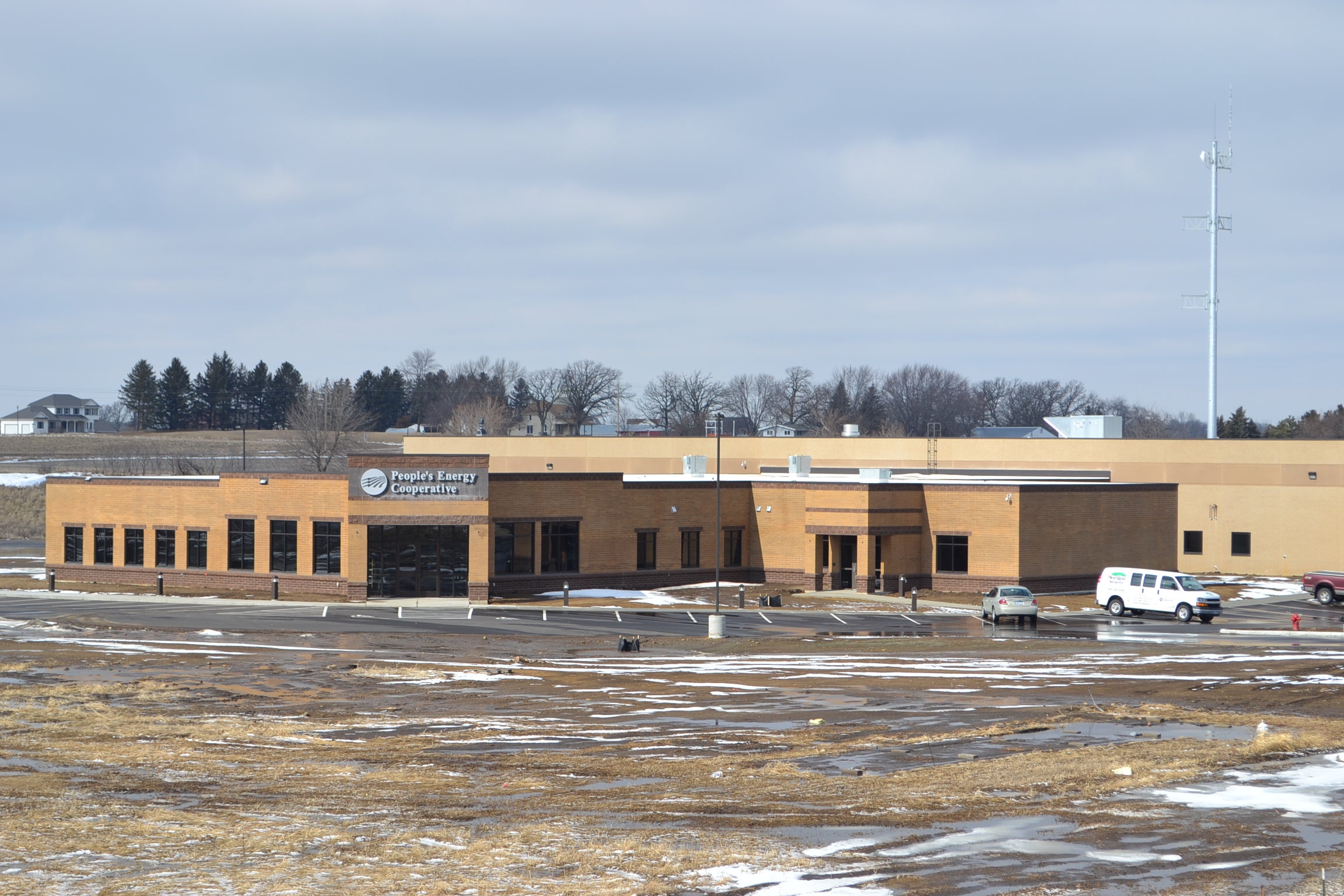
The Cooperative began promoting the development of Oronoco Crossings - a 36-acre commercial/industrial development adjacent to our new headquarters building.
The Cooperative changed its operating name from People's Cooperative Services to People's Energy Cooperative.
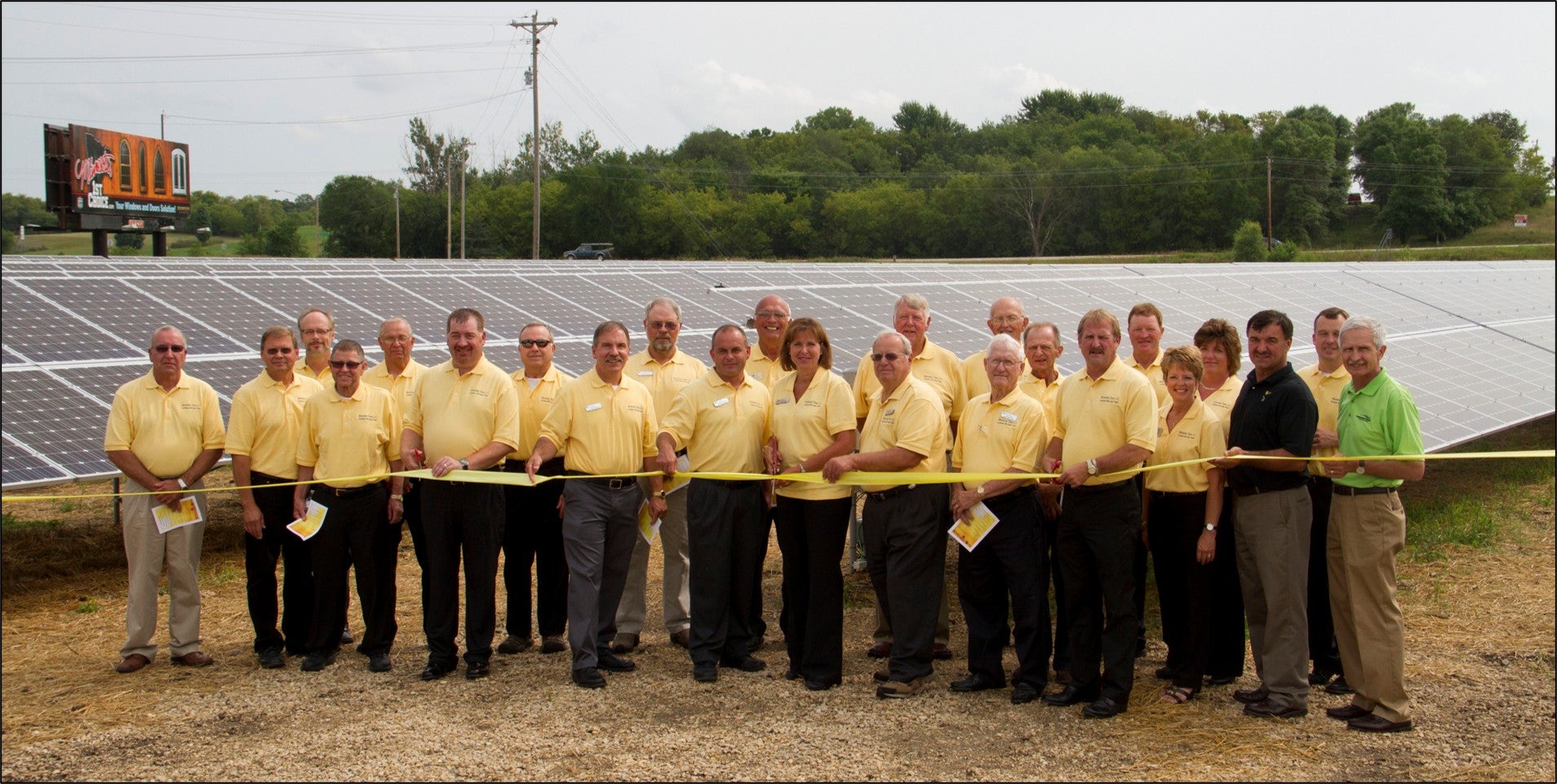
Tri-County Electric Cooperative (now MiEnergy), Freeborn-Mower Electric Cooperative, and People's Energy Cooperative joined forces to form Minnesota Three LLC and operate a utility-scale solar array north of the Cooperative's headquarters in Oronoco.
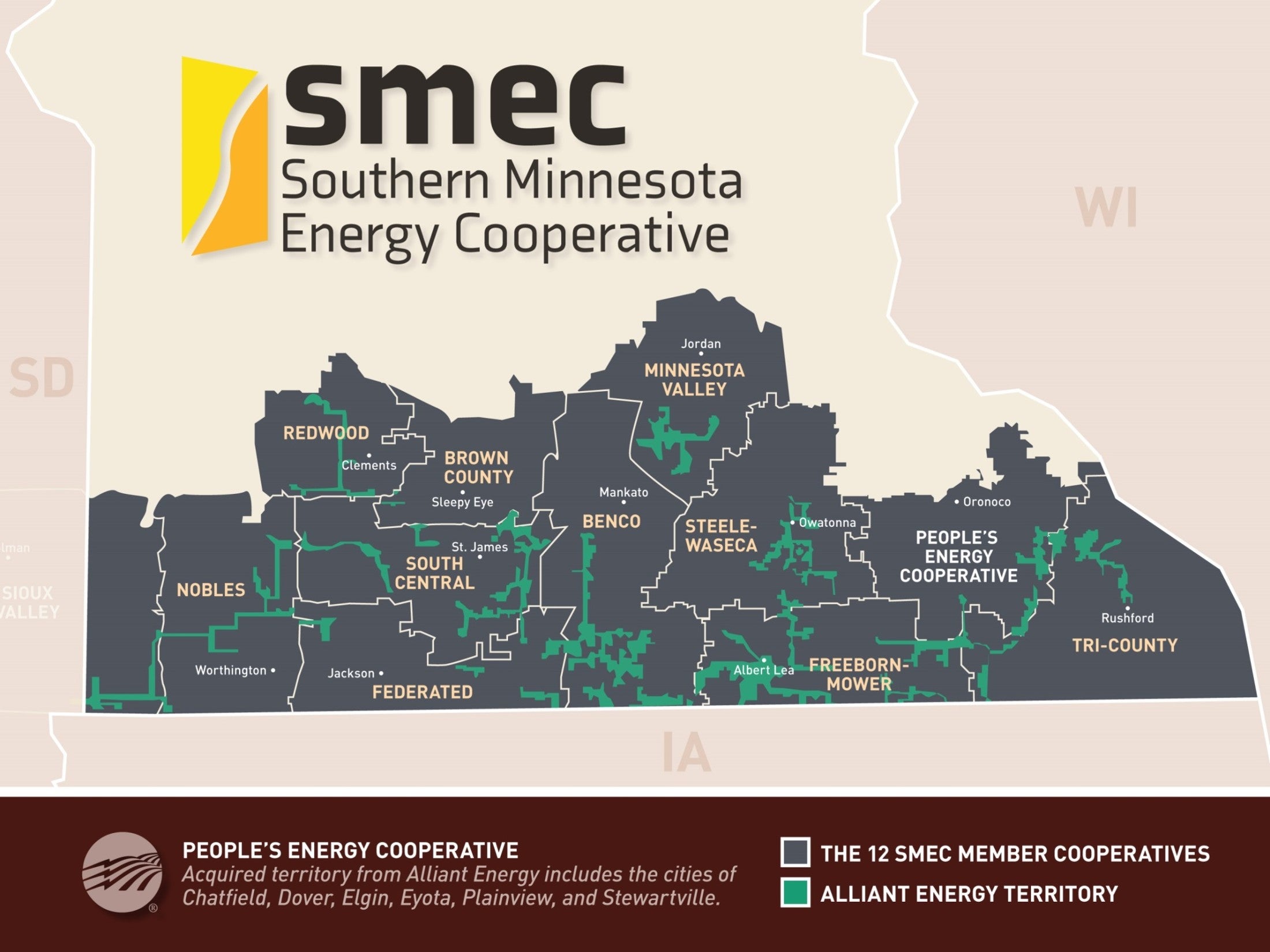
In February 2013, People's Cooperative joined together with 11 other cooperatives to form Southern Minnesota Energy Cooperative (SMEC) for the sole purpose of negotiating with Alliant Energy on the sale of their service territory in Minnesota. When the sale finalized on July 31, 2015, the Cooperative's membership grew by nearly 50 percent overnight.
Donald J. Trump becomes President of the United States
The World Health Organization declares COVID-19 a global pandemic
Joe Biden becomes President of the United States
Russia launches a full-scale invasion of Ukraine
Queen Elizabeth II, the longest-reigning monarch in British history, dies
Donald J. Trump becomes President of the United States
20 k
Cooperative membership surpasses 20,000 members in 2023.
28
The Cooperative maintains between 2,900 and 3,000 miles of line and 28 substations.
205
Total assets at the end of 2025 were $205,306,259.
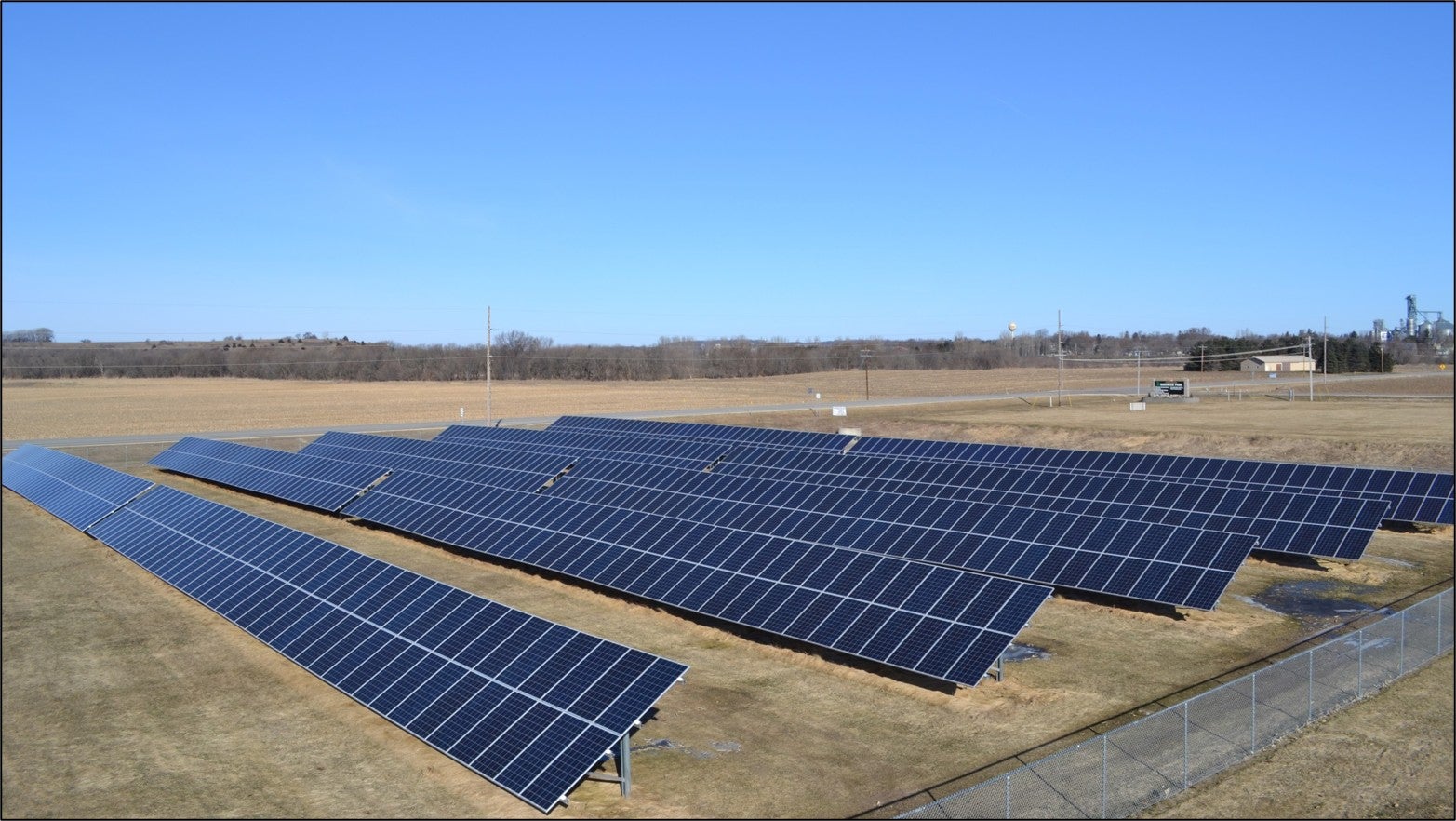
People's Community Solar was established in the Elgin Industrial Park just south of Elgin, MN. The 820-panel solar array gave members the opportunity to tap into the power of the sun without installing a solar array of their own.
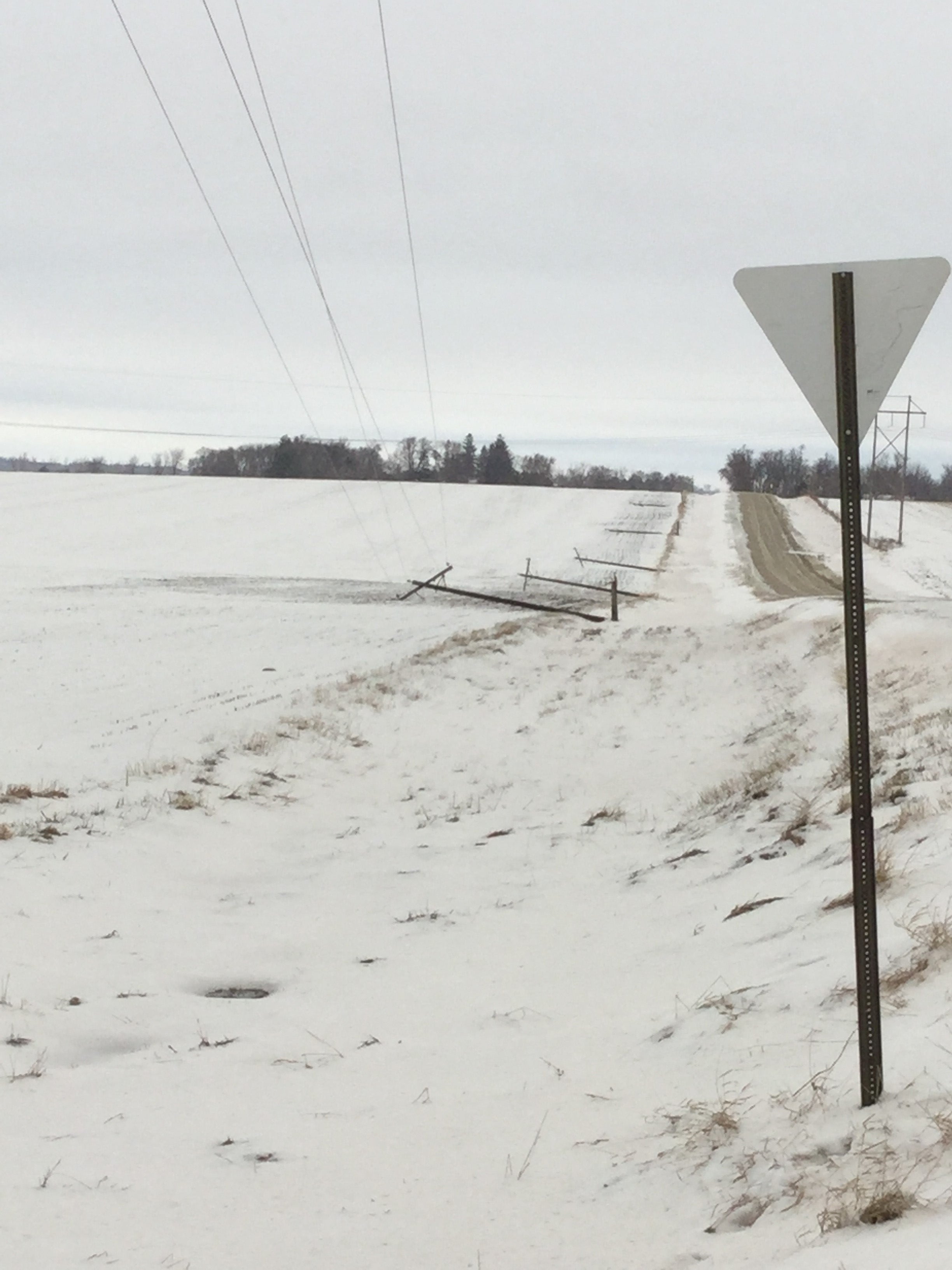
In April 2019, Winter Storm Wesley knocked out power to 8,000 members and mutual aid from either other cooperatives was required to restore service.
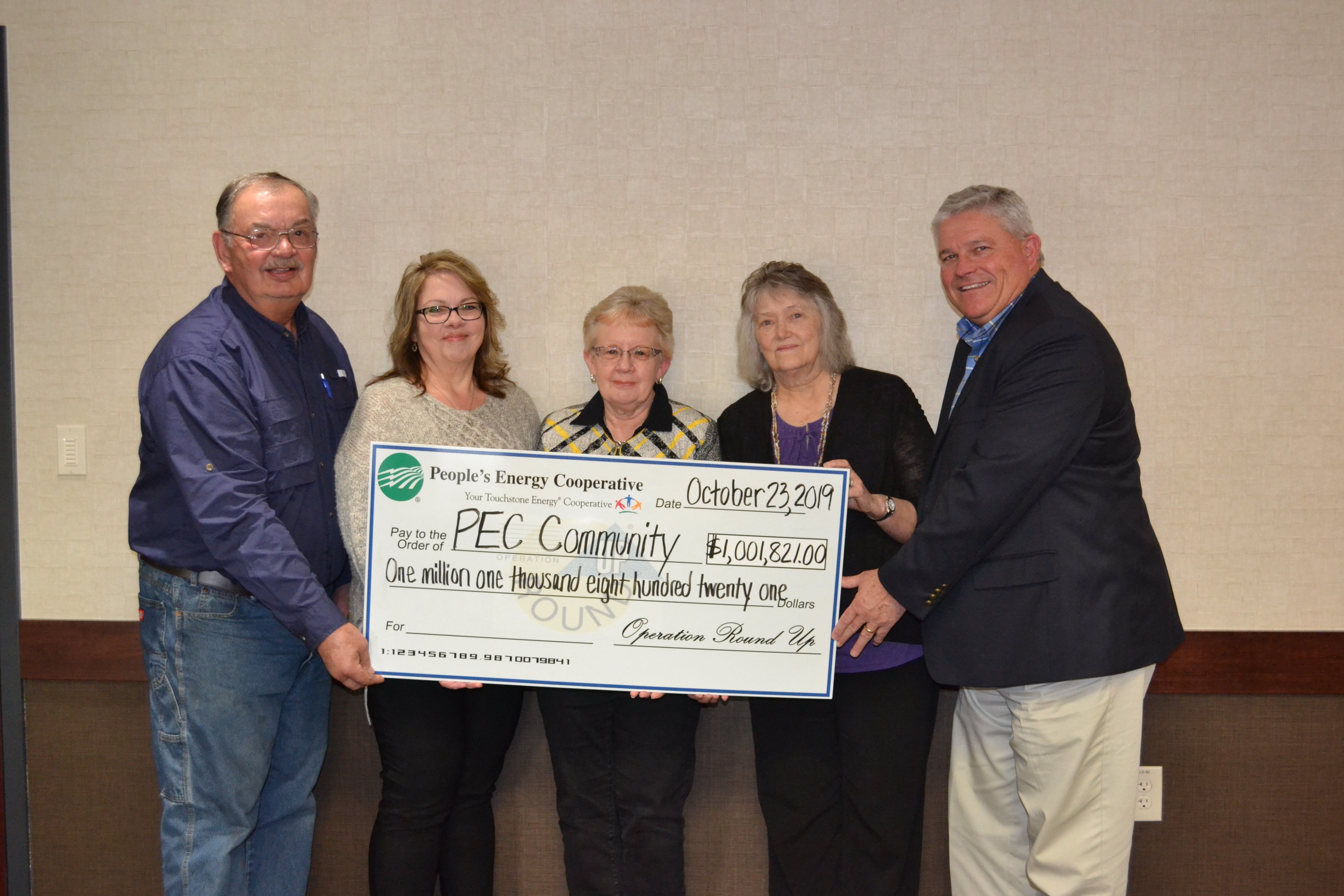
Operation Round Up grants exceeded $1,000,000 in support of education and community programs throughout the Cooperative's service territory.
Partnered with Olmsted County and Cenergy Power on a 25-year agreement for a one-megawatt solar array located in Haverhill Township.
People's Energy Cooperative is awarded Best Places to Work by Workforce Development, Inc.